
Case Study: Hollywood Park (Stockport)
Pilot research supporting Stockport Mayoral Development Corporation to develop its strategic understandings of the encounters, cultural practices, and perceptions associated with Edgeley’s Hollywood Park. The project was delivered as part of a multidisciplinary team consisting of myself, Dr Jenna Ashton (Heritage Studies), and Dr Amy Barron (Human Geography).
Partners:
Stockport Mayoral Development Corporation
Manchester Urban Institute (University of Manchester)
-
Stockport’s twelve-acre Hollywood Park opened to the public in 1893, having been
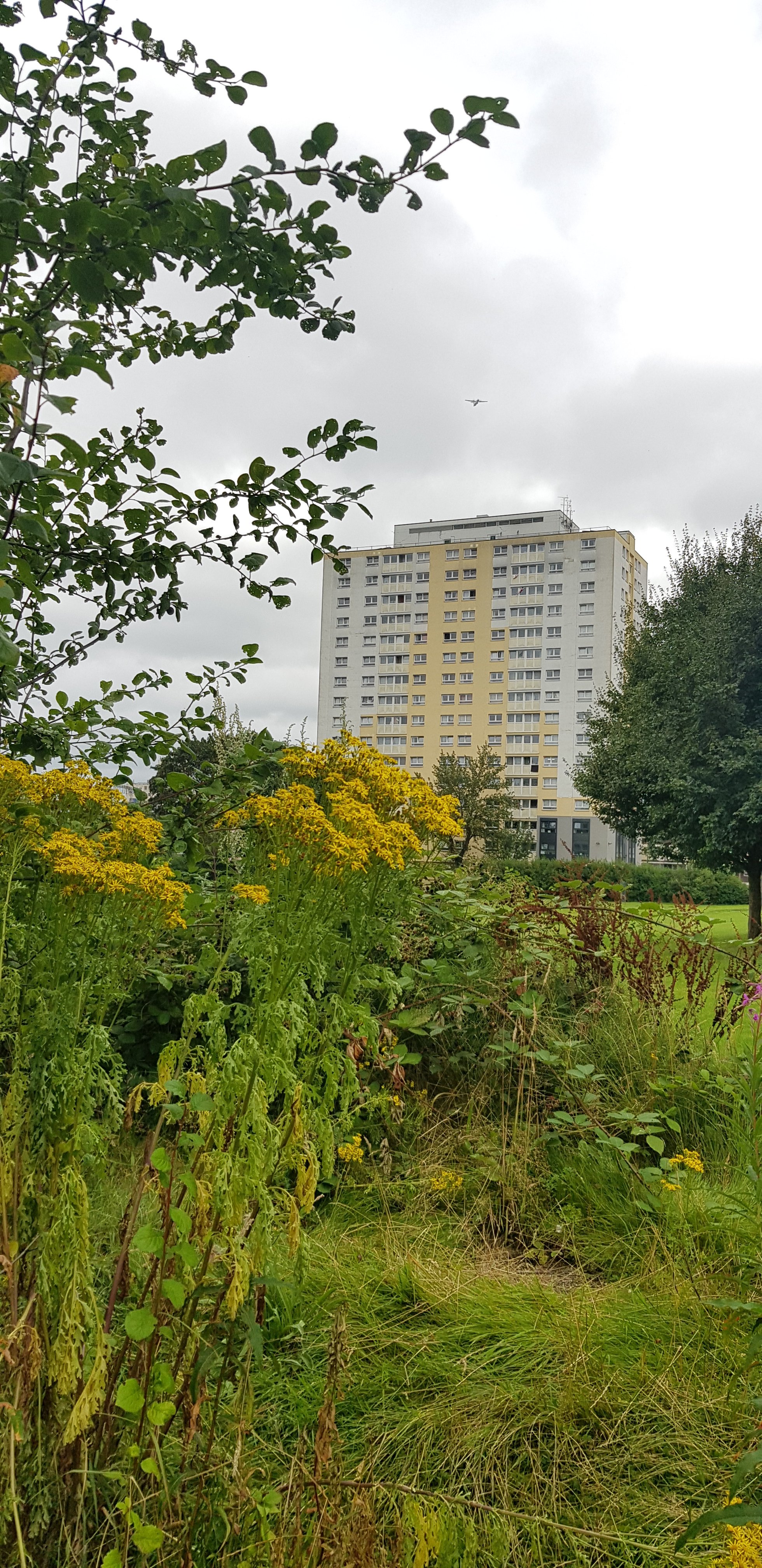
a vestige of land from the medieval manorial system. The park and its peripheries provide a primary corridor of pedestrian access between the eastern half of Edgeley, the Mersey Riverside Pathway, and imminent Town Centre West development. At the top of the natural ridge bounding Hollywood Park to its south and west are Victorian terraced properties. Adjacent to Hollywood Park on its eastern edge stands Hollywood Towers, a high-rise 1960s council housing block that has become a distinctive feature of the Stockport skyline. Hollywood Park’s abundant wildlife and proximity to the River Mersey offer potential conditions for rich encounters between human and non-human communities.
With a £1 billion regeneration programme underway in Stockport town centre, the local Mayoral Development Corporation wanted to explore how it might better integrate existing communities situated at the margin of the regeneration location into its ongoing local plans.
-
As an advocate for uplifting community perspectives in my work, I wanted to help MDC examine the existing stories, assets, and values that Hollywood Park already holds for locals in its current state, rather than getting lost in future imaginaries of how the green space might be “improved”.
On a practical level, this involved undertaking in-depth scoping research around participatory creative methods, Asset-Based Approaches, green and blue heritage spaces, and international ecomuseum models. I also worked with the research team to conduct autoethnographic walking investigations around Edgeley, using photography and written mapping methods to situate the park within the social and environmental ecologies of Edgeley. Alongside this, I performed desk-based research to establish the natural and social history of Hollywood Park.
-
Contribute knowledge and insight into Hollywood Park’s role, meanings, and ongoing potential as a community heritage asset for current and future residents.
Integrate new models of practice and research into the strategy and delivery of local regeneration.
-
A co-written report of practical recommendations for integrating Hollywood Park into strategic regeneration plans via the development of an ecomuseum model that prioritises resident stewardship and use towards community resilience and cohesion.